What to Expect from a Personal Trainer
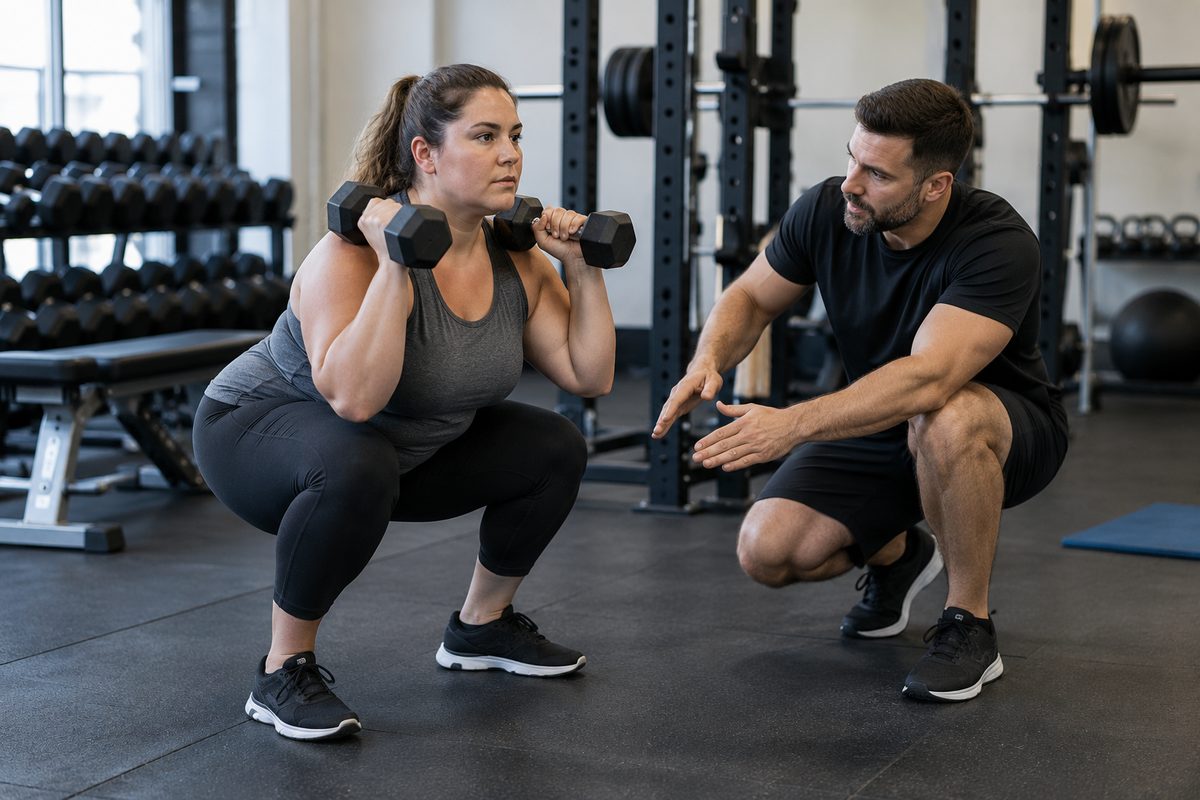
Expect an assessment first, then a program built around your body and goals, then sessions that get harder on purpose as you adapt. A good trainer is not there to just count your reps or hand you a generic sheet from the internet. They watch how you move, ask about your history, and build a plan that changes every few weeks. In my experience, clients who know this upfront get more out of their first month than clients who show up expecting a workout buddy with a clipboard.
What Happens in the First Session?
The first session is mostly talking and testing, not sweating. A trainer should ask about injuries, sleep, stress, work hours, and what you have tried before. Then they run a short movement screen. This might include a squat, a hip hinge, a push, and a single leg balance test.
I remember when one of my clients showed up expecting to leave drenched in sweat on day one. Instead we spent forty minutes on her shoulder mobility and her breathing pattern under load. She was annoyed at first. Three weeks later, once we added real weight to her overhead press, she understood why we waited. Skipping that step would have built strength on top of a problem instead of around it.
A trainer should also ask about body composition goals, not just a number on the scale. Two people who weigh the same can have very different body fat percentage readings and need completely different plans.
How Does a Trainer Decide What You Actually Need?
They decide based on your goal, your current fitness level, and what your joints and muscles can handle right now. This is where the gap between a real professional fitness coach and someone who just picked exercises off YouTube becomes obvious.
A trainer trained through a recognised body, such as the National Academy of Sports Medicine, follows a structured process. They assess posture and movement quality before loading anything heavy. They check for muscle imbalances that could turn into pain six weeks down the road. This matters because physical fitness is not one thing. Someone can have great cardio and terrible hip mobility. Someone else can lift heavy but gas out after two flights of stairs.
I know this because a client of mine once hired a trainer online who gave her a plan copied from an app. No one ever checked her knee tracking during squats. Six weeks in, her knee pain flared up badly enough that she had to stop training for a month. When she came to us, the first thing we did was fix her squat pattern with bodyweight work before adding any load back.
What Will a Trainer Actually Have You Do in Each Session?
Expect a mix of exercise that targets your specific goal, not a random circuit. Most well-run sessions follow a pattern: a short warm-up, a main lift or movement, accessory work, and a finisher.
Strength training is usually the backbone of the plan, even for people who say they only want to "tone up" or lose fat. This is because muscle is what shapes the body, and strength training is the most reliable way to build it. A trainer worth paying attention to will explain progressive overload early on. This just means the weight, reps, or difficulty increases slightly over time so your body keeps adapting instead of plateauing.
One of my clients spent two years doing the same thirty-minute class five days a week and wondered why her body never changed. The missing piece was progressive overload. Once we started adding small weekly increases to her lifts, her strength numbers moved every month and so did her shape.
Not every session needs a barbell. A resistance band is often used for warm-ups, activation work, or for clients recovering from injury who cannot yet handle a full range of motion with free weights. Bands are also useful for travel days or home sessions when equipment is limited. A trainer who only knows how to program with machines will struggle the moment you need a backup plan.
How Do Trainers Track Progress Beyond the Scale?
They track strength numbers, movement quality, energy levels, and sometimes body composition measurements like skinfold calipers or a scan. The scale alone tells you almost nothing useful.
When I train someone for twelve weeks, I care more about whether their squat went from using just their bodyweight to adding real plates, and whether their body fat percentage dropped even if the scale number barely moved. Muscle weighs more than fat takes up less space. A client can lose inches and gain a bit of scale weight at the same time. This confuses people who have never worked with a trainer before.
What I found works best is taking photos and simple measurements every four weeks, alongside strength logs. Numbers on a bar do not lie. If someone's squat goes from 40kg to 70kg over three months, that is proof the program is working, regardless of what the scale says that week.
What Won't a Personal Trainer Do for You?
A trainer will not diagnose injuries, prescribe medication, or treat chronic pain conditions. This is a scope of practice issue, and it matters more than most people realise before they start.
A trainer can modify exercises around pain. A trainer cannot tell you why your back hurts on a medical level or run diagnostic tests. When a client of mine developed sharp pain in her lower back during deadlifts, the right move was to stop that exercise and send her to a physiotherapist, not to guess and keep pushing through it. A trainer who oversteps their scope of practice and tries to act like a medical professional is a warning sign, not a bonus.
A trainer also will not do the eating and sleeping for you. They can give general nutrition guidance, but detailed meal plans for medical conditions belong with a dietitian. The honest ones will tell you this directly instead of pretending they can fix everything.
How Do You Know If Your Trainer Is Qualified?
Ask what certification they hold and whether they carry insurance. A trainer certified through a body like the National Academy of Sports Medicine has studied anatomy, program design, and movement assessment in real depth, not just picked up a weekend course.
I always tell new clients to ask two questions before booking: what happens if I get injured during a session, and how do you decide when to increase my weights. A trainer who cannot answer the second question clearly probably does not understand progressive overload well enough to keep you improving long term.
Watch the first few sessions closely. Does the trainer explain why you're doing an exercise, or do they just say "do this"? Do they check your form on every set, or only the first one? These small habits separate someone who treats this as a real profession from someone killing time between client bookings.
What Should Change in How You Feel and Move Over Time?
Within six to eight weeks, you should notice easier daily movement, better sleep, and visible strength gains on your main lifts. If nothing has changed by then, the program needs adjusting.
This is the part most people underestimate going in. Physical fitness improves in layers. First your joints move better. Then your energy steadies out. Then the visible body composition changes show up, usually around week eight to twelve. Clients who quit at week three because they "don't look different yet" miss the part where the foundation was already being built.
What I found consistently across years of coaching is that the people who stick with the plan past that early plateau are the ones who get real, lasting results. The ones who hop between trainers every few weeks rarely get past the assessment phase of any single program.
What Should You Do Next?
- Ask your trainer directly what certification they hold and what their scope of practice covers.
- Request a clear explanation of how they plan to apply progressive overload to your program over the next eight weeks.
- Track strength numbers and body fat percentage every few weeks instead of relying only on the scale.