Female Personal Trainer Canberra
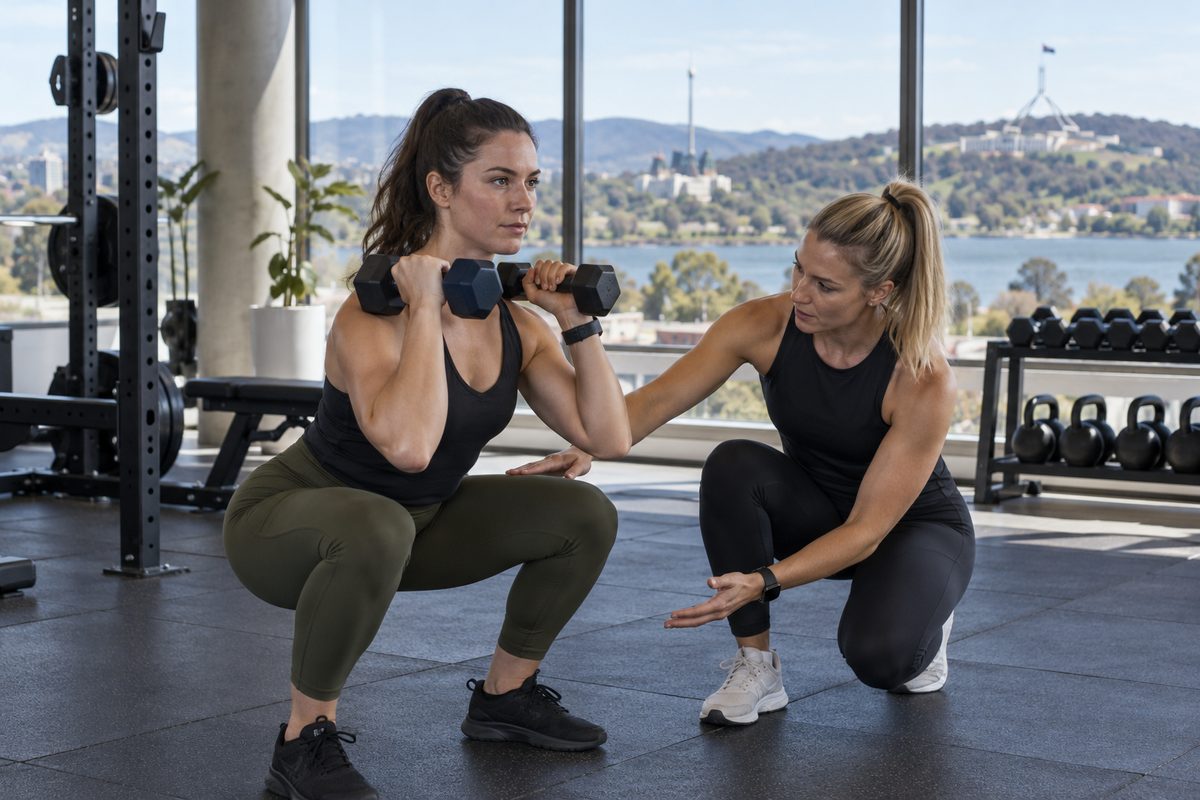
A female personal trainer in Canberra gives women a coach who already understands their body, their goals, and their comfort level, without a long explanation every session. That sounds small until you have actually sat through a session where you had to stop and explain why your energy crashed mid-workout, or why a certain exercise felt wrong on your pelvic floor. Women carry different training history than men. They deal with hormone shifts, body image pressure, and life stages that change how their body responds to exercise. A trainer who has lived through some of that gets to the real work faster, instead of spending the first six sessions just building trust.
Why Do So Many Women in Canberra Ask for a Female Trainer First?
Comfort is the real reason, not shyness. Women want someone who will not brush past a comment about their cycle wrecking their energy that week, or dismiss a question about training safely after having a baby. These are not small talk topics. They change how a session should be built that day.
One of my clients switched to me after two years with a male trainer. She said she had never once mentioned her cycle to him, even though it changed her strength and mood every single month. She just pushed through workouts feeling worse than she needed to, because she did not think he would understand or care. Within a month of training with me, we adjusted her heavy lifting days around her cycle, and her sessions stopped feeling like a fight against her own body.
This is not about male trainers being bad at their job. It is about shared experience removing a layer of explanation that slows down progress.
What's the Real Difference Between a Female Trainer and Any Professional Fitness Coach?
A good female trainer is still a professional fitness coach. The coaching skills behind programming, progression, and correcting form do not change based on gender. What changes is the lens she brings to physical fitness goals that sit closer to women's actual lived experience: bone density that starts dropping earlier than most women expect, pelvic floor pressure during heavy lifts, and energy swings tied to hormones rather than laziness or poor effort.
I remember one client who had been told by a previous coach to just "push through" fatigue that showed up every month like clockwork. When we mapped her training around her actual cycle instead of fighting it, her lifts went up and her frustration went down. That is the difference. Same coaching skillset, different lens on the body in front of her.
What Qualifications Should She Actually Hold?
She needs a Certificate III and Certificate IV in Fitness, recognised under the Australian Qualifications Framework. That framework sets the national standard for what a trainer must actually know before she is allowed to charge you for a session. Skipping this check is how people end up with a trainer who learned everything from social media rather than a real course.
She should also be registered with Fitness Australia, the industry body that tracks ongoing education and keeps trainers accountable after they graduate. Registration is not a one-time tick box. Trainers have to keep learning to stay listed.
A current first aid certificate is non-negotiable. Sessions involve heavy loads, fast movements, and sometimes falls. I know this because a client once rolled her ankle badly during an outdoor lunge session, and the fact that I held a current first aid certificate meant I could manage the injury properly on the spot instead of panicking while we waited for help.
Does She Carry Insurance, and Why Should You Care?
Yes, and you should ask to see it. Every trainer working anywhere in the Australian Capital Territory should hold professional liability insurance before she ever puts a client through a session. This insurance protects you if something goes wrong during training, and it protects her from being left financially exposed over an honest accident.
When I had a client strain her shoulder during a poorly spotted lift years ago, having insurance in place meant the situation was handled calmly through the right process, rather than becoming a messy argument about who pays for what. Any trainer who gets defensive or vague when you ask about insurance is telling you something important. Walk away.
Can She Help You Manage Your Weight Without Starving You?
Yes, and the extreme diet approach is usually the wrong one. Weight management with a female trainer works best when it is built around food you will actually keep eating, not a six-week shock diet you abandon the moment it ends.
What I found with most clients chasing weight loss is that the missing piece was never willpower. It was a plan that fit their actual week. One client kept failing at weight loss for years because every plan assumed she had an hour to cook dinner from scratch. She did not. Once we built a weight management approach around 15-minute meals and three strength sessions a week, the weight came off steadily, because she could actually sustain it.
Will Lifting Weights With Her Make You Bulky?
No. This fear stops more women from strength training than almost anything else, and it is based on bad information. Muscle hypertrophy, which is the technical term for muscle growing bigger, happens slowly and requires a specific combination of heavy lifting, high food intake, and months of consistent effort. Most women training two or three times a week will get stronger, leaner, and more toned long before they get anywhere close to bulky.
When I tried explaining this to a client who had avoided weights for a decade out of fear, she still did not believe me until she saw her own before and after photos after twelve weeks. She looked leaner, not bigger. Strength training builds the shape most women are actually chasing when they say they want to "tone up."
What Does Functional Training Actually Look Like in a Real Session?
Functional training means building strength for movements you actually do, not just movements that look impressive. Carrying shopping bags up stairs, lifting a toddler off the floor, getting out of a low couch without your knees complaining. These are the movements functional training targets directly.
A typical session might mix a loaded carry, a squat pattern, and a rotational core movement, because that combination mirrors real daily tasks better than isolated machine work. Clients notice the payoff outside the gym before they notice it in the mirror. One client told me the first sign her training was working was that she carried both kids' school bags up the driveway without stopping to rest halfway.
Where Across Canberra Can You Actually Train With a Female Trainer?
Female trainers work across the whole Australian Capital Territory, but demand has grown fastest in North Canberra. Suburbs like Belconnen, Gungahlin, Dickson, and O'Connor have seen a steady rise in women booking sessions close to home, often around school runs or before work. Proximity matters more than people admit. A trainer twenty minutes away gets cancelled on. A trainer five minutes away gets kept.
Most female trainers in this region offer sessions at local parks, home gyms, or small studio spaces, which keeps costs lower than a full commercial gym membership while still delivering real strength training and coaching.
What Should You Do Next?
Ask any trainer you are considering three things before you book: her Australian Qualifications Framework certification level, her Fitness Australia registration status, and proof of current professional liability insurance. If she answers clearly and quickly, book a trial session. If she hesitates or gets vague, keep looking. The right female trainer in Canberra will make that first conversation easy, because she has nothing to hide.